History of Digital Storage. Part 7: NAND in SSDs
The Marriage of NAND Flash and SSDs
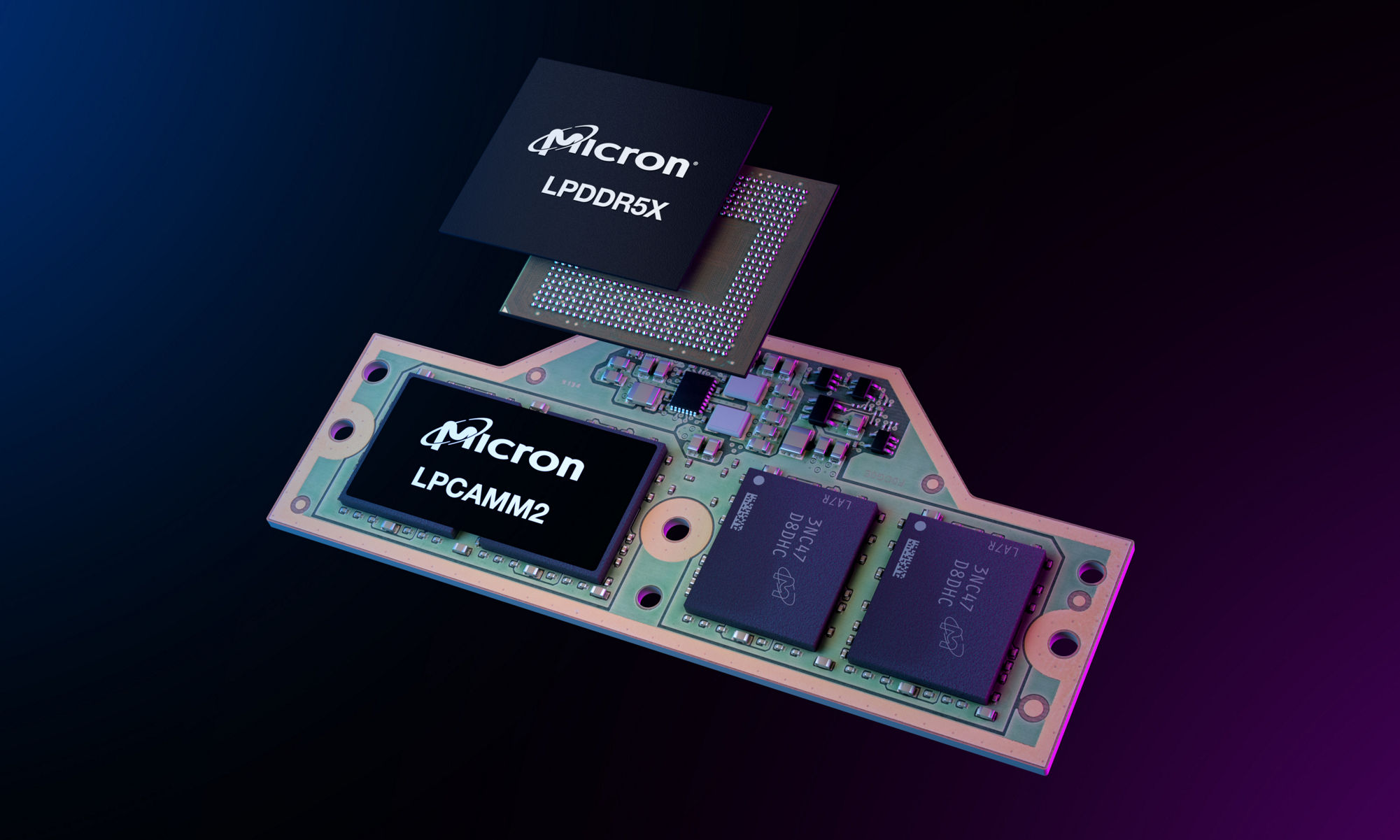
NAND technology paved the way for a new breed of SSD that is able to emulate HDDs in most enterprise or consumer applications. These SSDs are far less expensive than DRAM-based SSDs and still offer several advantages over HDDs—particularly in terms of performance and reliability.
Because NAND-based SSDs are a solid state technology, they have no moving parts and offer much better performance than HDDs. When a command is issued to an HDD, the drive must seek with its actuator, spin its platter, and then transfer the data back to the host. But SSDs have no moving parts (requiring only the time it takes to process the command), and they have random access times as quick as 20µs [52].
The improved performance of new SSDs equates to 10,000 IOPS compared to less than 450 IOPS for the fastest HDDs [53]. When used in enterprise applications like Internet banking, SSDs might significantly boost information access.
With no moving parts to wear out or break, an SSD will
outlast almost any HDD, which typically has only a three- to five-year life expectancy if it is not bumped, banged, or dropped. By comparison, a modern SSD might last twice that long and do so without the sensitivities to mechanical shock and while consuming only a fraction of the power.
RAIDs, Connections, and the Next Step for SSDs
SSDs can go anywhere an HDD can, so for enterprise and consumer applications alike, SSDs are replacing HDDs—a trend that is sure to continue for the next decade or more. But using an SSD as a drop-in replacement for an HDD is not necessarily using SSDs to their fullest potential. RAID controllers, HDD interfaces, and storage subsystems have been optimized for the characteristics of rotating magnetic media and may be a bottleneck for solid state storage.
Due to the flexibility of NAND solid state storage, SSDs will once again change the picture of storage in computers. NAND-based storage will become more integrated into the computer and will enable new generations of applications. Productivity gains will be measurable and the power savings, dramatic.
Conclusion
Digital storage has come a long way since 1956, with the most recent innovation being SSDs. And now that SSDs are gaining new ground with the advancements made possible by NAND Flash technology, they represent the next evolutionary step for storage applications.
Notes:
[52] Wong, page 15.
[53] Justin Sykes, “SSDs to Boost Data Center Performance,” Micron Technology, Inc. Boise, Idaho, (July 30, 2008): page 3.
Related posts:
- History of Digital Storage. Part 6: The RAM SSD and NAND The RAM Solid State Device: The NAND SSD Forerunner A...
- A History of Digital Storage Survival of the Fittest Memory A History of Digital Storage...
- History of Digital Storage. Part 5: Limitations of the HDD An HDD’s Mechanical Limitations A History of Digital Storage Tape...
- History of Digital Storage. Part 4: The 5.25-inch HDD A History of Digital Storage Tape Drives Magnetic Drum Memory...
- History of Digital Storage. Part 3: The Birth of the Hard Drive IBM’s RAMAC: The Birth of the Hard Drive A History...
Related posts brought to you by Yet Another Related Posts Plugin.
2 Comments
Micron Innovations Blog » History of Digital Storage. Part 1: Tape Drives on May 19th, 2009
[...] NAND in SSDs [...]


Micron Innovations Blog » History of Digital Storage. Part 3: The Birth of the Hard Drive on May 19th, 2009
[...] NAND in SSDs [...]